
The Rise of AI-Generated Content: Who Owns the Copyright?
4th June, 2026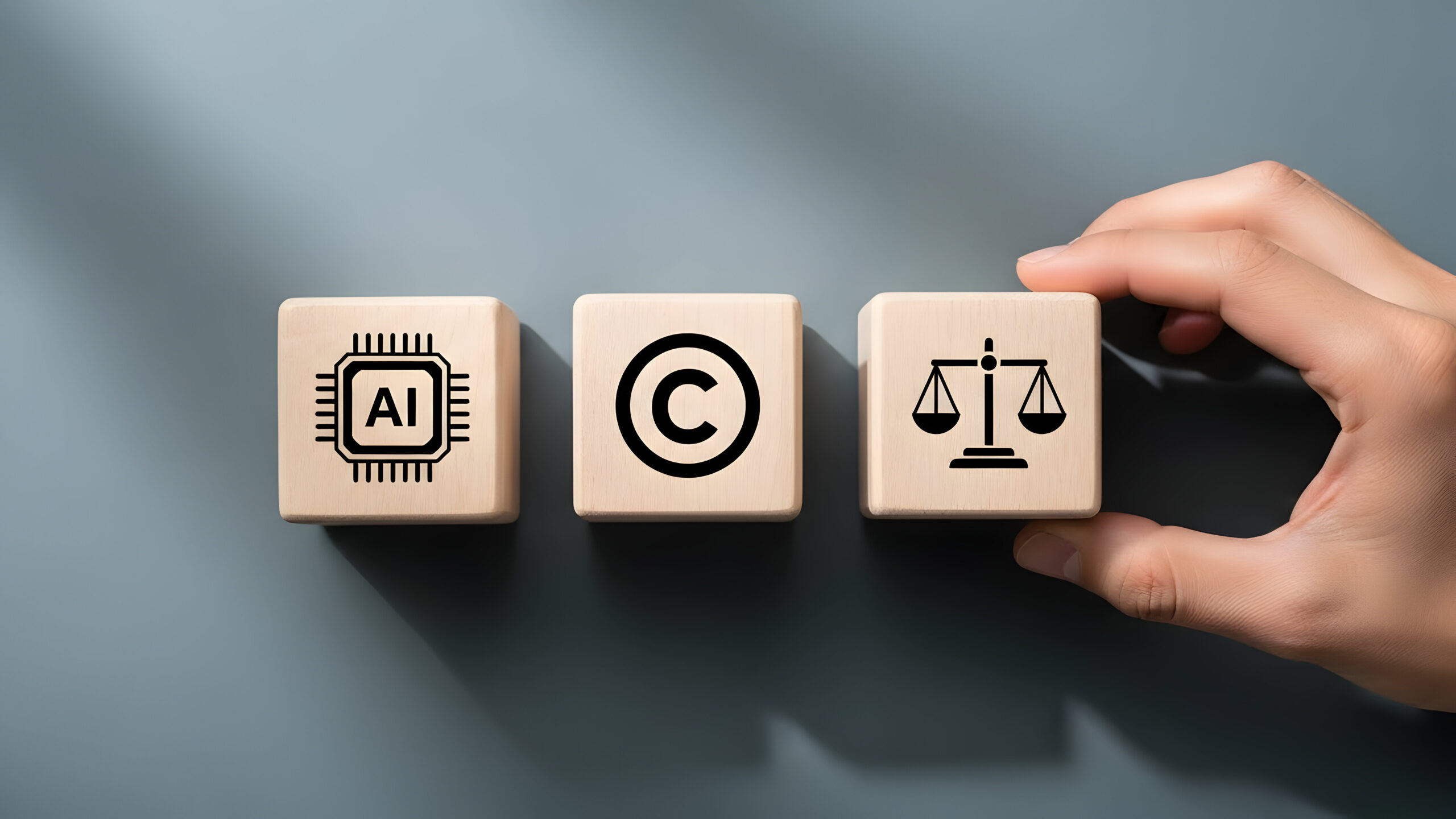
Artificial intelligence is transforming how content is created. From marketing copy and website design to music, artwork, and even code, AI-powered tools now generate creative works in seconds. For businesses, entrepreneurs, and domain name investors operating in the digital space, this technological shift presents both opportunity and legal uncertainty.
One of the most pressing questions is simple: Who owns the copyright in AI-generated content?
At ESQwire, we regularly counsel clients navigating emerging issues in internet law, digital media, and intellectual property. As AI-generated works become more common online, understanding how copyright law applies is critical to protecting your brand, content, and digital assets.
Copyright Basics: Human Authorship Is Key
Under U.S. copyright law, protection applies to “original works of authorship” fixed in a tangible medium of expression. Traditionally, this has required human creativity.
The U.S. Copyright Office has made clear that works produced entirely by a machine, without meaningful human input, generally do not qualify for copyright protection. Courts have echoed this principle: copyright exists to protect human expression, not autonomous machine output.
This creates a significant issue for AI-generated content:
- If an AI system independently generates a blog post, image, or logo,
- And there is no meaningful human creative control,
- There may be no copyright owner at all.
In other words, the work could fall into the public domain.
The Human Involvement Question
The key legal question becomes: How much human involvement is enough?
Consider the spectrum:
- Minimal Input
A user types a short prompt into an AI tool and publishes the output without modification.
Risk: The content may not qualify for copyright protection. - Substantial Creative Control
A user provides detailed instructions, selects outputs, edits, revises, and meaningfully shapes the final work.
Result: Portions reflecting human creativity may qualify for copyright protection. - Hybrid Works
A human-created work is enhanced, edited, or partially generated by AI.
Result: The human-authored elements may be protected, but purely AI-generated components may not be.
This distinction is critical for businesses relying on AI for marketing materials, branding, web content, and digital media.
Ownership vs. Protection: They Are Not the Same
Even if a platform’s terms of service state that the user “owns” the output, that does not automatically mean the content qualifies for copyright protection under federal law.
Ownership through contract and copyright protection are two separate legal concepts:
- Contractual Rights: Governed by the AI platform’s terms.
- Copyright Protection: Governed by federal statute and judicial interpretation.
A business may believe it “owns” AI-generated branding materials, but if those materials are not protected by copyright, competitors could potentially reuse similar content without infringement liability.
Risks for Businesses and Online Brands
For companies operating online, especially those investing heavily in digital branding, these uncertainties can create real exposure:
1. Weak Brand Protection
If your logo, slogan, or website content was generated primarily by AI and lacks copyright protection, enforcement options may be limited.
2. Increased Risk of Copycat Content
Without enforceable rights, it may be more difficult to stop competitors from using similar AI-generated materials.
3. Domain Name and Trademark Conflicts
AI tools can generate brand names, logos, and domain suggestions instantly. But using AI-generated branding without proper trademark clearance can lead to disputes under the UDRP, ACPA, or trademark infringement laws.
At ESQwire, we have handled hundreds of domain name disputes and trademark conflicts. As AI accelerates brand creation, the risk of overlapping names and digital identity conflicts increases significantly.
AI, Domains, and Digital Identity
AI-generated branding often includes suggested domain names and social media handles. Before registering or investing in these digital assets, businesses should consider:
- Has the name been trademarked?
- Does the domain infringe an existing mark?
- Could registering the domain expose you to a cybersquatting claim?
- Are you relying on AI-generated content that may not be protectable?
Domain disputes frequently arise when businesses move quickly without conducting proper due diligence. What appears to be a “creative” AI-generated brand may already conflict with an established trademark owner.
Practical Guidance for Businesses and Creators
If your business is using AI-generated content, consider the following protective steps:
1. Increase Human Creative Involvement
Ensure meaningful human input, editing, and creative direction in AI-assisted works to strengthen arguments for copyright protection.
2. Maintain Documentation
Keep records of prompts, drafts, revisions, and editorial decisions. This documentation may help demonstrate human authorship.
3. Conduct Trademark Clearance
Before launching an AI-generated brand name, logo, or domain, conduct a proper trademark search and clearance review.
4. Register Trademarks
Even if copyright protection is uncertain, trademark protection may provide stronger brand security.
5. Review Platform Terms Carefully
Understand what rights you are granted by the AI provider and what limitations may apply.
6. Integrate IP Strategy Early
AI should not replace legal strategy. Businesses should incorporate intellectual property planning into their digital growth initiatives from the outset.
The Law Is Evolving
AI and copyright law are developing rapidly. Regulatory guidance, court decisions, and international approaches continue to evolve. What is unclear today may become more defined in the coming years.
For businesses operating in e-commerce, digital media, domain investing, and online branding, staying ahead of these developments is essential.
We Help Businesses Protect Their Digital Assets in the Age of AI
At ESQwire, we advise companies, entrepreneurs, startups, and domain name investors on protecting their digital identity, trademarks, domain portfolios, and intellectual property rights.
If you are using AI-generated content in your branding, website, or marketing materials — or if you are facing a dispute involving AI-created assets — we can help you evaluate your rights and develop a strategy to protect your business.
Contact ESQwire today for a fully confidential, no-obligation consultation. Our experienced domain name and intellectual property attorneys serve clients nationwide and internationally, helping them safeguard their brands in an increasingly automated digital world.